How to Heat an Outdoor Cat House Safely
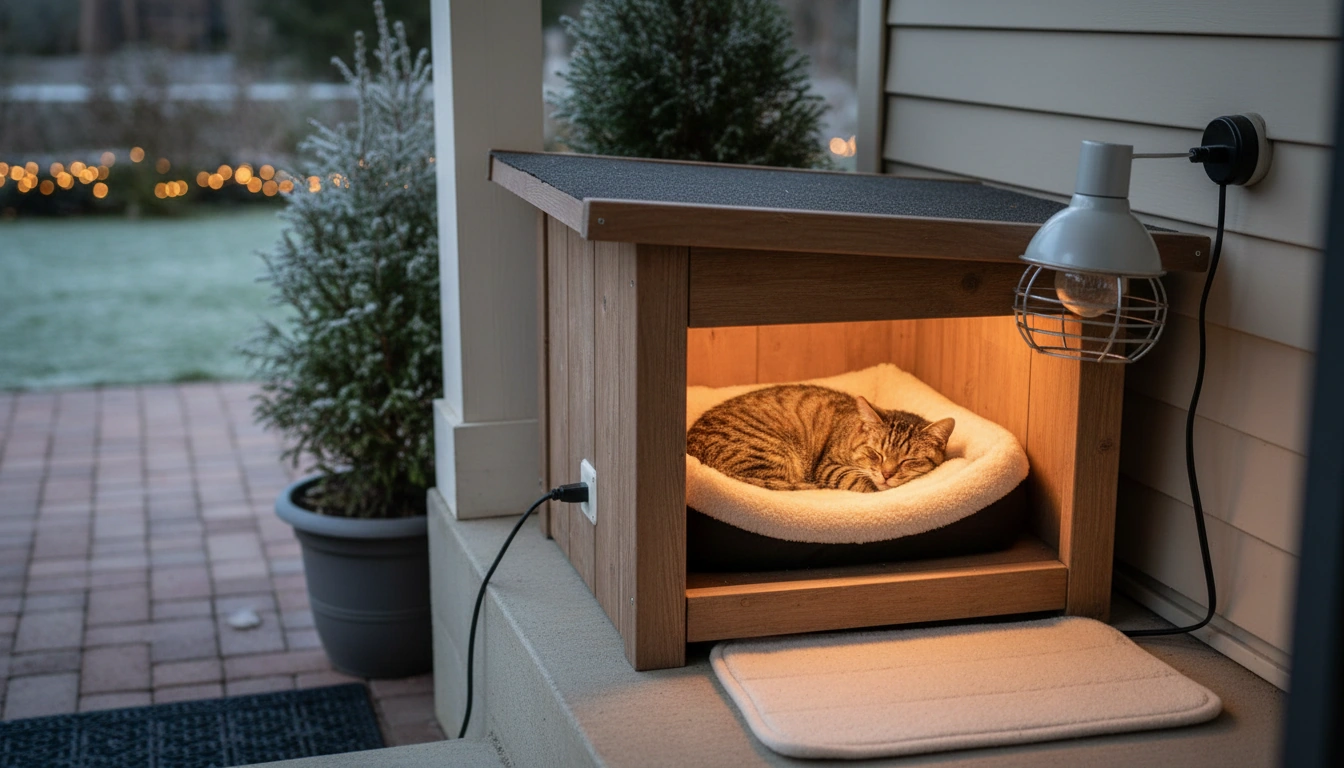
What is the best way to heat an outdoor cat house?
The best way to heat an outdoor cat house is to start with insulation and wind protection, then add a low-watt, pet-safe heat source that can’t overheat or be chewed. Most outdoor shelters stay warmer (and safer) with the “passive first, gentle heat second” approach: seal drafts, raise the house off the ground, and make the interior small enough to hold body heat. After that, add a controlled heat option that’s designed for animals and outdoor use.
Start by trapping warmth (even before adding heat)
Choose a snug shelter size, line it with rigid foam insulation if possible, and use straw (not blankets) as bedding because straw stays lofted and resists moisture. A heavy flap over the doorway and a second interior “baffle” wall help cut wind. Elevating the house a few inches keeps ground cold and damp from pulling heat away.
Add a safe, gentle heat source
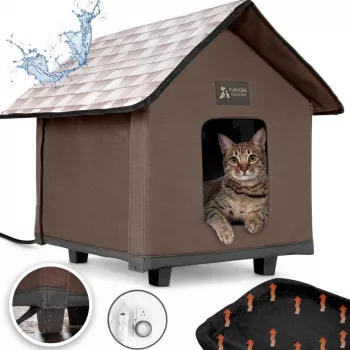
For most setups, a thermostatically controlled outdoor heating pad made for pets is the most practical option. It provides steady, low-level warmth while limiting overheating risk. Another solid choice is a heated cat bed rated for outdoor use, placed on a dry, flat surface inside the shelter. Avoid space heaters, heat lamps, and extension-cord tangles inside the house; they create fire and burn hazards in tight quarters.
Protect cords and keep everything dry
Route cords through a chew-resistant cord protector and out a small notch so the door can still close properly. Use a GFCI-protected outlet and keep connections off the ground and shielded from rain or snow. If the shelter gets damp, address leaks first—humidity makes cats colder and can damage heated products.
For more details on shelter setup, insulation tips, and heating options, visit the main guide on heating an outdoor cat house.
FAQ
Is straw or a blanket better for an outdoor cat house?
Straw is usually better because it insulates even in cold conditions and doesn’t hold moisture the way blankets can. Blankets can become damp, flatten out, and make the shelter feel colder.







Leave a comment