Cardio + Strength for Fat Loss: Simple Weekly Plan
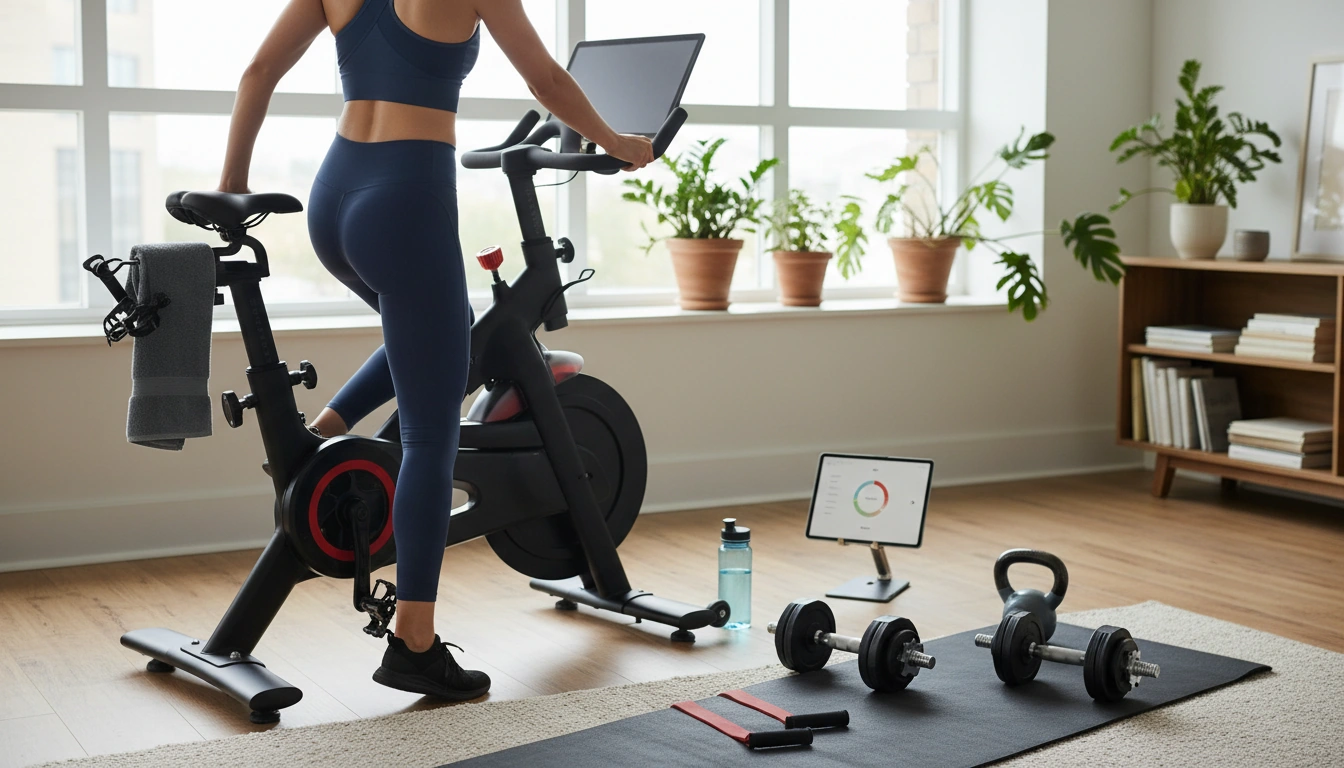
How to combine cardio and strength training for fat loss?
For fat loss, the best results usually come from pairing strength training (to keep or build muscle) with cardio (to increase calorie burn and improve conditioning). The goal is to create a weekly rhythm that you can recover from, not to max out every day.
Start with a simple split: lift 3 days per week and do cardio 2–3 days per week. Strength sessions should focus on big, efficient movements (squats or leg press, hinges like deadlifts or RDLs, presses, rows, lunges, and core work). Keep most sets in a challenging-but-controlled range, and prioritize consistent progress over “burn” workouts.
For cardio, use a mix of intensities. Low-to-moderate steady-state (like brisk incline walking, cycling, or rowing) is easier to recover from and can be done more often. Add 1 shorter high-intensity interval session only if your joints, sleep, and stress levels can handle it. Too much high intensity plus heavy lifting can backfire by making you sore, exhausted, and inconsistent.
If you’re doing cardio and lifting on the same day, lift first if strength and muscle retention are priorities. Then add 10–25 minutes of easy-to-moderate cardio afterward, or separate sessions by at least 6 hours when possible. On non-lifting days, steady-state cardio and steps are ideal for increasing overall activity without compromising recovery.
Finally, match training to recovery: keep at least one easier day each week, eat enough protein, and use sleep as a “fat loss multiplier.” For a plug-and-play schedule with a weekly checklist you can follow, visit this guide to combining cardio and strength training.
For Cardio + Strength for Fat Loss: Simple Weekly Plan, the best answer depends on fit, material, care instructions, and how the product will be used day to day.
FAQ
Should I do cardio on rest days?
Yes—light cardio like walking, easy cycling, or a relaxed jog can improve recovery and help maintain a calorie deficit without adding much fatigue. Keep it comfortable and avoid turning every rest day into a hard workout.












Leave a comment