First-Time Parent Challenges: Sleep, Feeding, Emotions
What are some common challenges faced by first-time parents?
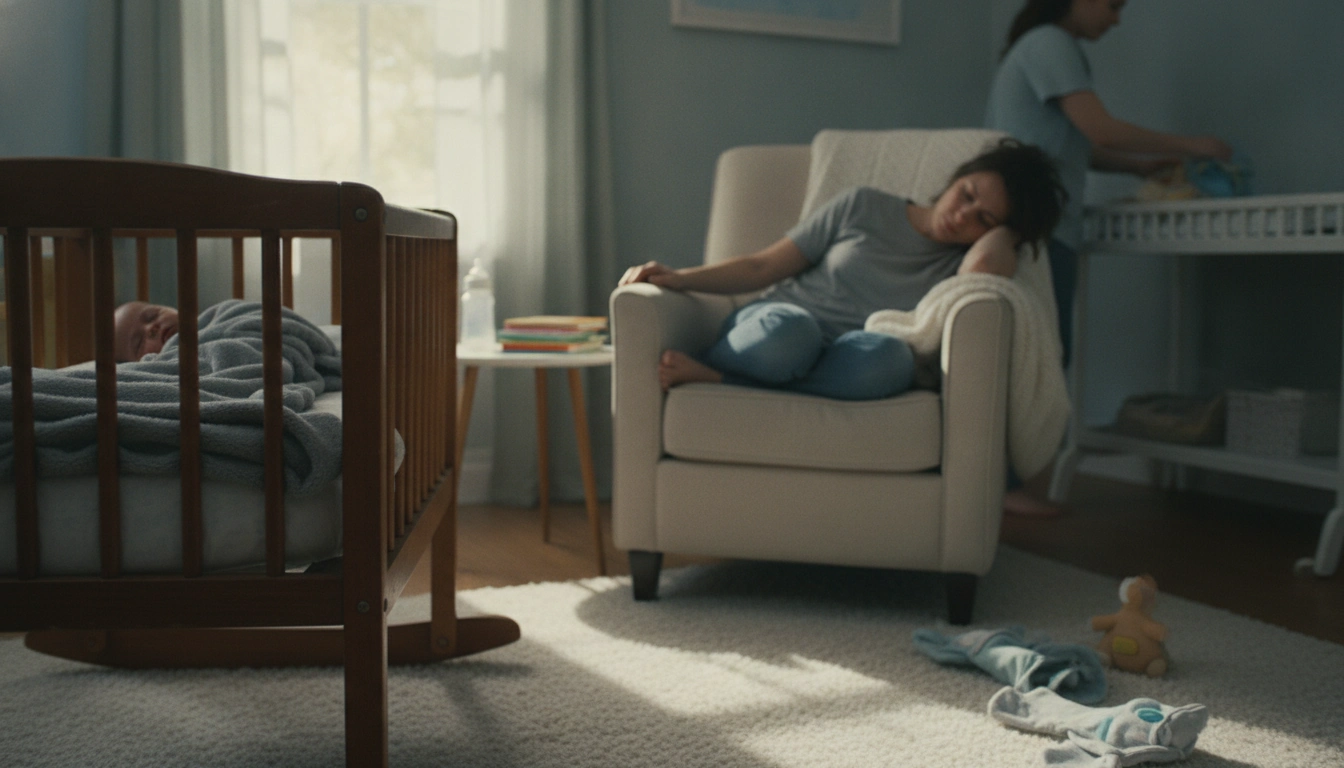
First-time parenting can feel like a fast-moving mix of joy and uncertainty. Many new parents are surprised by how quickly routines change, how little sleep they get, and how many decisions pop up in a single day. The good news is that most early challenges are common, temporary, and easier with a simple plan.
Sleep deprivation and unpredictable schedules
Newborn sleep is irregular, and that unpredictability affects everything from mood to memory. Many parents struggle with night wakings, short naps, and the pressure to “fix” sleep immediately. Creating a basic shift schedule (even if it’s just two blocks overnight) and focusing on safe sleep habits can make the first weeks more manageable.
Feeding worries (breast, bottle, or both)
Feeding can bring stress fast: latch issues, supply concerns, cluster feeding, spit-up, and uncertainty about how much is enough. Tracking wet diapers, watching for steady weight gain, and getting help early from a pediatrician or lactation consultant can reduce anxiety and prevent small issues from snowballing.
Emotional swings and mental load
Hormonal changes, recovery, and constant responsibility can lead to big emotions—sometimes within the same hour. Many first-time parents also feel overwhelmed by the “mental load” of remembering supplies, appointments, and soothing strategies. Clear division of tasks and short check-ins as a couple can prevent resentment and burnout.
Soothing a crying baby
Crying is normal, but it can still feel alarming. Learning a simple troubleshooting order—diaper, hunger, temperature, burp, comfort—helps parents stay calm and consistent. When crying feels nonstop, it’s also important to talk to a healthcare provider to rule out reflux, illness, or other causes.
Recovery and relationship adjustments
Physical recovery after birth, limited personal time, and new roles can strain even strong relationships. Setting realistic expectations, accepting help, and prioritizing rest over perfection often helps couples reconnect sooner.
For a practical, step-by-step approach to the first days and weeks, visit this newborn survival guide for first-time parents.
FAQ
How can parents prepare for the first night home with a newborn?
Set up a simple “care station” with diapers, wipes, extra clothes, and feeding supplies, and pre-plan sleep shifts if possible. Keep lighting low at night, and focus on safe sleep and basic comfort rather than building a perfect routine.












Leave a comment