Build Your Child’s Confidence: Simple Daily Steps

How to build confidence and self-esteem in a child?
Building confidence and self-esteem in a child comes from small, repeated experiences that show them: “I’m capable,” “I’m safe,” and “I matter.” The goal isn’t constant praise—it’s helping kids notice their own effort, grow through mistakes, and feel secure in your connection with them.
Start with connection, then coach skills
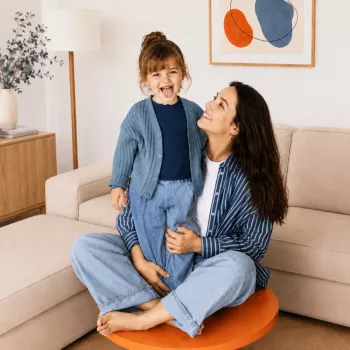
Confident kids usually feel anchored in a steady relationship. Spend a few minutes each day in child-led play, follow their lead, and name what you notice (“You’re working hard on that tower”). When big feelings hit, stay calm and help them label emotions. Feeling understood makes children more willing to try again.
Praise effort and strategies, not identity
Instead of “You’re so smart,” try “You tried two ways until it worked.” This teaches that success comes from effort and problem-solving. When they stumble, normalize it: “That was tough. What could we try next?” Mistakes become information, not proof they’re “bad” at something.
Give real responsibility that fits their age
Self-esteem grows when kids contribute. Offer simple jobs like putting napkins on the table, feeding a pet with supervision, or choosing their outfit from two options. Keep expectations realistic, and let them finish—even if it’s imperfect—so they can feel ownership.
Practice bravery in tiny steps
If your child is shy or hesitant, break challenges into “just-right” steps: wave first, then say hello, then join for a minute. Celebrate the attempt. Confidence isn’t loud; it’s the willingness to keep trying.
Use stories and routines to build emotional strength
Books, role-play, and simple routines can teach coping skills like deep breathing, asking for help, and positive self-talk. For a structured set of tools made for ages 3–5, explore the Confident Kids Bundle guide for practical activities that support resilience, independence, and calm.
FAQ
What are some daily habits that help a child feel more confident?
Offer one small responsibility, one moment of child-led attention, and one chance to practice a skill each day. Keep routines predictable and notice effort out loud so they can connect actions with progress.








Leave a comment