First Day Home With a Newborn: Simple Must-Do Steps
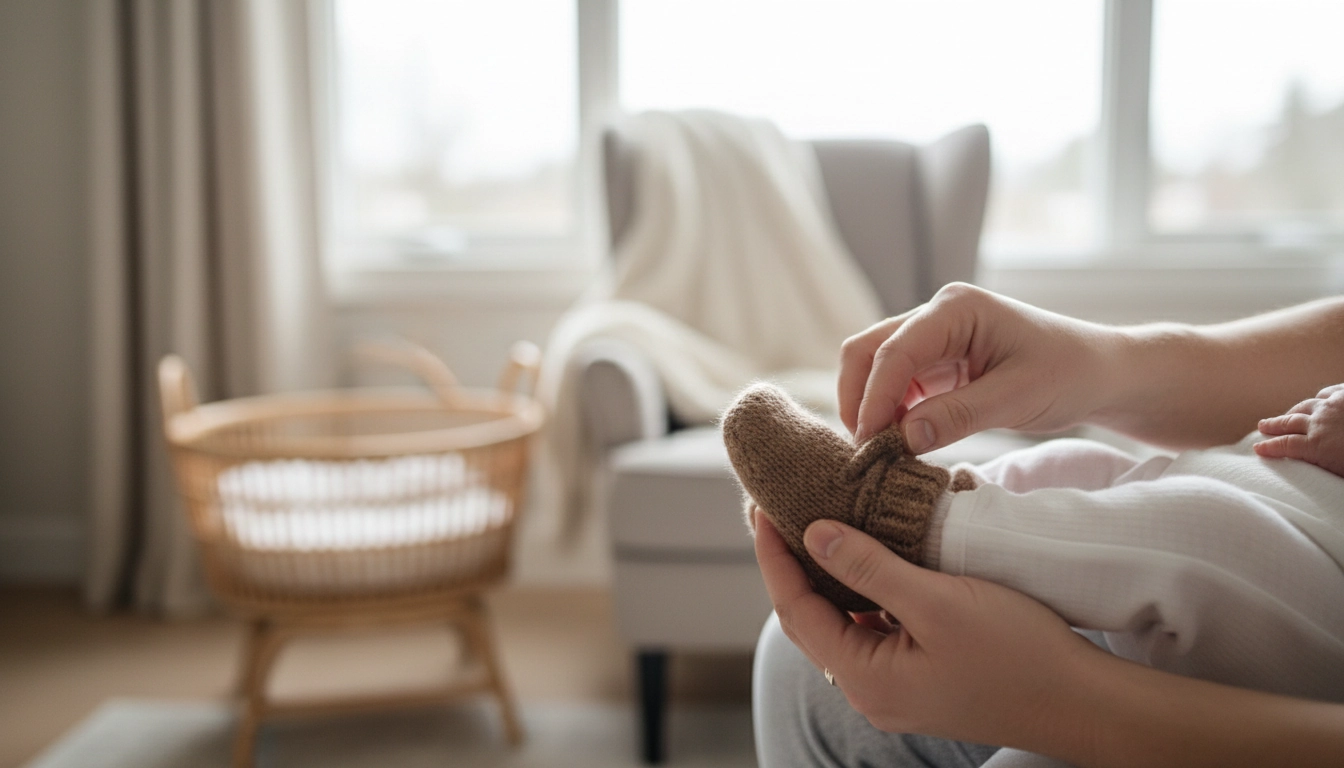
What should I do on my first day at home with my newborn baby?
Keep the first day simple: focus on safety, feeding, sleep, and your own recovery. Your baby doesn’t need a “perfect” routine yet—just steady care and a calm, low-stimulation environment.
1) Set up one “home base” for the day
Pick a single room or area where you can comfortably feed, change diapers, and rest. Stock it with diapers, wipes, extra onesies, burp cloths, a swaddle, a thermometer, a water bottle for you, and snacks. Fewer trips around the house means more rest.
2) Do a quick safety check
Confirm the car seat is out of the way and the baby’s sleep space is ready: a firm, flat surface with only a fitted sheet—no pillows, loose blankets, or stuffed items. Keep the room a comfortable temperature and aim for supervised tummy time later only when everyone feels up to it.
3) Prioritize feeding and diaper counts
Whether breastfeeding, formula feeding, or combo feeding, plan on frequent feeds. Track wet and dirty diapers and note feeding times (paper, app, or notes). If you’re unsure about latch, intake, or spit-up, call your pediatrician or lactation support sooner rather than later.
4) Sleep whenever you can
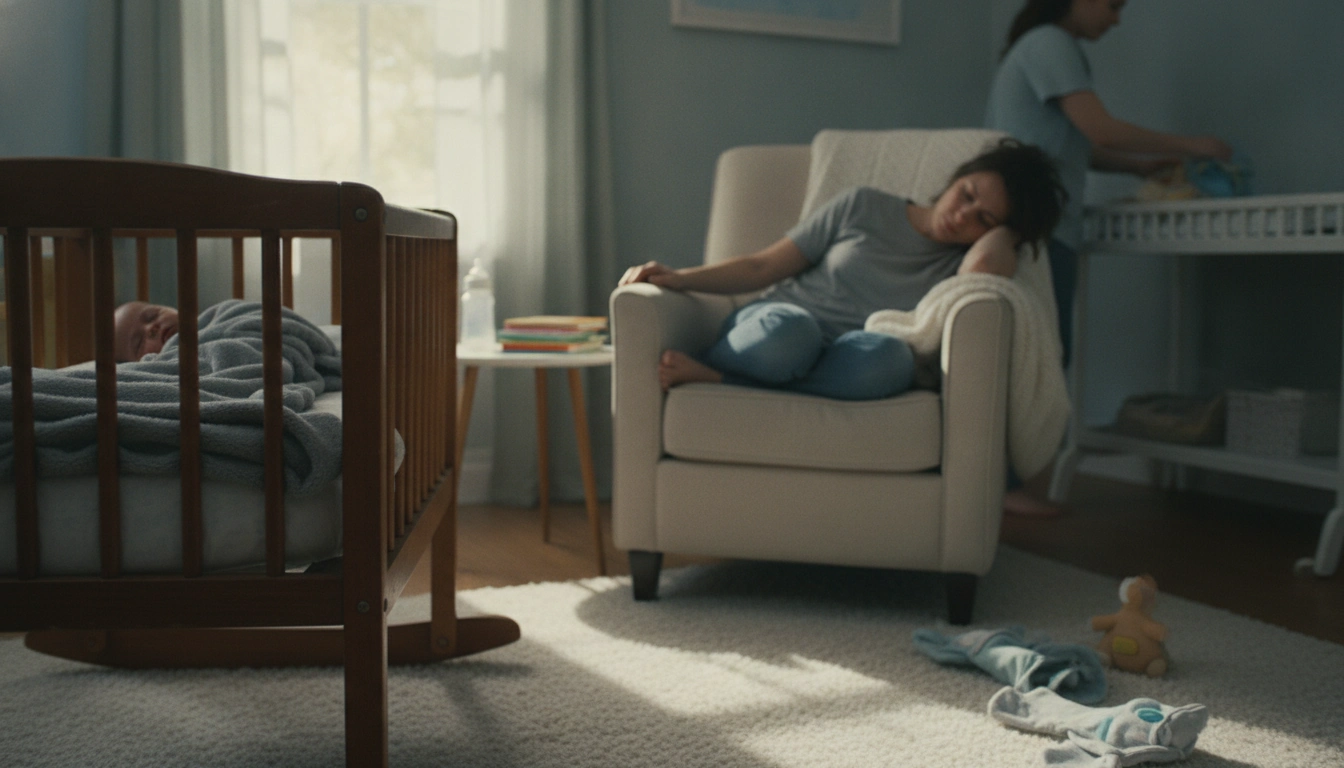
The first day home is often broken into short stretches. Put “non-urgent” tasks on hold and rest when the baby rests. If you have help, use it for meals, laundry, and bottle washing—anything that protects your sleep.
5) Keep visitors minimal
If you allow visitors, make it short and task-focused (drop off food, run an errand). You can also set a simple rule: no kissing the baby and everyone washes hands.
For a step-by-step, practical rundown of those early days—feeding, sleep, supplies, and what’s normal—visit the Newborn Survival Guide for First-Time Parents.
FAQ
How do I know if my newborn is eating enough?
Look for regular wet diapers, steady feeding sessions, and alert periods between naps. If diapers are sparse, weight gain is a concern, or feedings are consistently difficult, contact your pediatrician promptly.









Leave a comment