New Kitten Feeding: Best First Foods & Simple Schedule
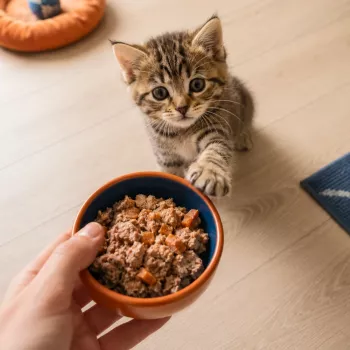
Feeding Your New Kitten Right: What to Start With for Healthy Growth and Calm Mealtimes
A new kitten grows fast, and the food choices made in the first weeks at home can shape digestion, energy, coat quality, and long-term health. The goal early on is simple: steady nutrition, predictable routines, and a gentle approach that prevents tummy trouble. Below is a practical plan for what to feed first, how often to serve meals, and how to switch foods safely without creating picky eating habits.
The first days at home: start with consistency, not perfection
The first week in a new home is already a big adjustment, so diet is the place to keep things stable.
- Stick with the current food for 7–10 days when possible. If your breeder or rescue tells you what the kitten has been eating, keep it the same at first. Sudden changes are a common cause of diarrhea.
- If the previous food is unknown, choose a true kitten formula. Look for a complete and balanced “growth” diet and transition gradually once the kitten is eating reliably.
- Create a calm feeding setup. Place food and water away from litter boxes, noisy appliances, and high-traffic areas. Stress can reduce appetite and trigger vomiting.
- Track the basics daily. Appetite, stool consistency, and energy level are early “signals.” It’s much easier to adjust portions or slow a transition now than after habits are established.
What food to start a new kitten on
Kittens are not just small adult cats. Their diets need higher energy density and the right balance of amino acids, fats, vitamins, and minerals to support growth.
- Choose a kitten-labeled diet that’s complete and balanced for growth. In the U.S., look for an AAFCO nutritional adequacy statement indicating it’s formulated for “growth” (or “all life stages”). For a deeper nutrition framework used by veterinarians, see the WSAVA Global Nutrition Guidelines.
- Prioritize protein and fat. Kittens need more calories per pound than adult cats. A kitten formula helps meet that demand without oversized meal volumes.
- Wet, dry, or combo feeding can all work. Wet food supports hydration and is often easier for young kittens to eat; dry food is convenient and easy to measure. Many homes do best with a combination for routine and flexibility.
- Skip cow’s milk. Many kittens don’t tolerate lactose well and may develop diarrhea. Use a kitten milk replacer only when it’s age-appropriate and truly needed (for example, if a very young kitten is not fully weaned).
- Extra caution for under-8-week or underweight kittens. If a kitten is unusually small, weak, or not gaining weight, check in with a veterinarian before making big diet shifts or adding supplements. The AVMA cat care resources are also a helpful starting point for new owners.
How much and how often to feed: a simple age-based schedule
Kittens do best with multiple small meals because their stomach capacity is limited while their energy needs are high.
- Use the package guide as a starting point. Then adjust based on body condition (lean, not bony), steady growth, and stool quality.
- Measure portions for the first month. Measuring prevents accidental overfeeding and makes appetite changes obvious.
- If you offer wet and dry, count total daily calories. Avoid “adding extra” of each format on top of a full day’s portion.
| Kitten age | Meals per day | Texture tips | What to monitor |
|---|---|---|---|
| 6–8 weeks | 4–6 | Soft wet food; moistened kibble if used | Steady appetite, no dehydration, normal stools |
| 8–12 weeks | 4 | Wet or combo feeding; fresh water always | Gradual weight gain, playful energy |
| 3–6 months | 3 | Combo works well; avoid free-feeding if weight climbs | Body condition, stool consistency |
| 6–12 months | 2–3 | Transition toward adult patterns; keep kitten formula | Lean growth, coat quality |
Wet vs. dry (and combo feeding): choosing what fits your kitten
There’s no single “best” format—what matters most is that the diet is complete and balanced for growth and the routine is consistent.
For broader feeding fundamentals as your kitten grows, Cornell’s overview on feeding your cat is a solid reference.
Switching foods without stomach upset
Healthy-mealtime habits that prevent picky eating
When to check in with a veterinarian
Helpful digital guides (in stock)
- Feeding Your New Kitten Right | Essential Kitten Nutrition eBook | Learn What Food to Start a New Kitten On for Healthy Growth & Happy Mealtimes
- Sleep Reset: Guided Audio Course for Restful Nights – 7-Day Sleep Meditation, Deep Relaxation, Insomnia Relief
- Study Skills Mastery Guide | Digital Study Guide, Learning Strategies eBook, Focus Tips, Study Methods, Memory Techniques, Study Checklist PDF
FAQ
What food should a new kitten start eating?
Start with the same food your kitten was eating before, if you know it, and keep it consistent for about 7–10 days. If the previous food is unknown, choose a complete and balanced kitten (growth) formula and transition gradually. Wet, dry, or a combination can work if it’s formulated for growth.
How often should a kitten eat each day?
Very young kittens often need 4–6 small meals a day, then about 4 meals at 8–12 weeks, and 3 meals from 3–6 months. Many kittens do well on 2–3 meals from 6–12 months, adjusting portions based on body condition and your veterinarian’s guidance.
Is it okay to feed wet food only?
Yes—wet-only feeding is fine as long as the food is complete and balanced for growth. It can also support hydration. You’ll still want consistent portions, clean bowls, and regular veterinary check-ins as your kitten grows.











Leave a comment