Indoor Cat Enrichment: DIY Toys, Play & Home Zones
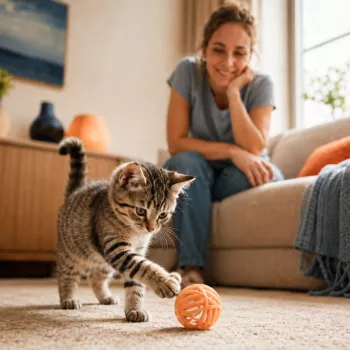
Enrichment Ideas for Indoor Cats: DIY Toys, Daily Play Routines, and Cat-Friendly Home Tips
Indoor cats thrive when their day includes hunting-style play, climbing and hiding spaces, puzzle feeding, and safe sensory variety. A little structure goes a long way: when enrichment matches a cat’s instincts and happens predictably, it can help reduce boredom behaviors like nighttime zoomies, furniture scratching, and attention-seeking meowing. The ideas below are organized into simple categories you can mix and match, whether you have a curious kitten or a mellow senior.
What “enrichment” means for an indoor cat
Enrichment is anything that supports natural feline behaviors in a safe way: stalk, pounce, chew, scratch, climb, perch, explore, and rest in secure spots. The goal isn’t constant entertainment—it’s the right balance of stimulation and recovery.
- Short, intense play plus downtime often works better than keeping a cat “busy” all day.
- Rotate novelty by keeping a small set of toys out and swapping weekly to maintain interest.
- Offer choice and control with multiple perches, beds, and scratchers so your cat can self-regulate.
- Track what changes behavior: note what reduces nighttime restlessness, over-grooming, or destructive scratching.
For deeper background on what cats need indoors, see the AAFP/ISFM Feline Environmental Needs Guidelines and the ASPCA’s cat enrichment overview.
Set up a cat-friendly home in zones
Think in “zones” so your cat always has a nearby option for climbing, scratching, resting, and foraging—no matter where you’re spending time.
Vertical zone
- Cat tree, window perch, sturdy shelves, or the top of a bookcase with a non-slip mat.
- Aim for at least one high “safe lookout” per room your cat regularly uses.
Scratch zone
- Offer both vertical and horizontal scratchers.
- Place scratchers near sleeping areas and near any “favorite” furniture target.
Rest zone
- One covered bed or box (security) plus one open bed (warm naps).
- Keep rest areas away from loud appliances and heavy foot traffic.
Hunt-and-eat zone
- Feed in multiple small stations or via puzzles to mimic foraging.
- Some cats drink more if water is separate from food.
Solo play zone
- A small basket with a few approved toys.
- Add a rug/runner for traction during play sprints (especially on slippery floors).
DIY enrichment: low-cost toys and sensory activities
Many cats prefer “simple but alive-feeling” play. DIY options also make it easy to experiment and discover preferences.
Interactive play routines that actually tire a cat out
Simple 7-day indoor cat enrichment routine (mix and match)
| Day | Morning (5–10 min) | Midday (2–5 min) | Evening (10–15 min) |
|---|---|---|---|
| Mon | Wand play: slow stalk + pounce | Scatter hunt (kibble or treats) | Chase game + small snack |
| Tue | Climb/perch rewards (treats on levels) | Box maze exploration | Wand play: vertical jumps |
| Wed | Puzzle feeder breakfast | Window perch + bird viewing | Hide-and-seek toy under blanket edge |
| Thu | Fetch or kicker toy session | New scratcher placement | Wand play: fast darts + “win” |
| Fri | Training: sit/touch/target (2–3 min) | Snuffle mat or rolled towel hunt | Treasure hunt in 2 rooms |
| Sat | Rotate toys (swap 2–3 items) | Paper bag tunnel exploration | Obstacle course (chairs, pillows) + snack |
| Sun | Grooming + calm bonding | Scent enrichment (catnip/silvervine) | Longer hunt sequence + meal |
Food enrichment and puzzle feeding without overfeeding
Rotation plan: keep enrichment fresh without buying more
Troubleshooting common indoor-cat behavior with enrichment
Safety checklist for indoor enrichment
Printable structure for daily consistency
If you want an easy checklist you can stick on the fridge, the Printable Cat Enrichment Guide with DIY toys, play routines, and home setup tips organizes ideas by zone, includes rotation prompts, and makes it simple to track what actually helps your cat settle.
For pet parents who want a calmer wind-down routine at night, Sleep Reset: Guided Audio Course for Restful Nights – 7-Day Sleep Meditation, Deep Relaxation, Insomnia Relief can pair well with an evening cat play-and-meal schedule—especially if the household is resetting bedtime habits together.
Before choosing, compare the product details with your daily routine, available space, care needs, and preferred setup. The strongest option is usually the one that fits the intended use clearly and remains simple to clean, store, and check before repeat use.
FAQ
How much play time does an indoor cat need each day?
Most indoor cats do well with about 10–30 minutes total per day, split into short 5–10 minute sessions. Kittens and high-energy young adults often need more, while seniors may prefer gentler, shorter bursts. Ending play with a small snack helps complete the hunt cycle and encourages post-play rest.
What are safe DIY toys for cats?
Safe options include cardboard boxes, crumpled paper balls, paper-bag tunnels (handles removed), simple treat tubes made from toilet rolls, and a securely tied sock kicker filled with fabric scraps. Avoid strings, loose stuffing, and small detachable parts, and inspect DIY toys regularly for tearing or pieces that could be swallowed.
How can enrichment help with nighttime zoomies?
Enrichment works best when it follows the hunt-play-eat-sleep sequence: a focused evening play session, a “final catch,” then a small meal helps your cat transition into grooming and sleep. Add a brief midday activity to reduce long late-day naps, and keep the routine consistent for 1–2 weeks to see steadier nighttime behavior.









Leave a comment